Know What You Own
Model, year, manufacturer, serial number, specifications, declared value and photographs — all organized in one place.

How it works
A Wire & Wood record gathers the details, photographs and history of an instrument in one place — and keeps them together for as long as the guitar exists.
Model, year, manufacturer, serial number, specifications, declared value and photographs — all organized in one place.
Document repairs, modifications, recordings, memories, previous owners and the details that make the instrument unique.
Create a dated certificate containing the information and documented history of the instrument for insurance, resale, loss or damage records.
The archive
Upload photographs of your instrument and add notes to explain exactly what each image shows. Capture details that might otherwise be forgotten — a repair, an original part, a modification, a serial number, a case, a receipt or a moment in the guitar's life.
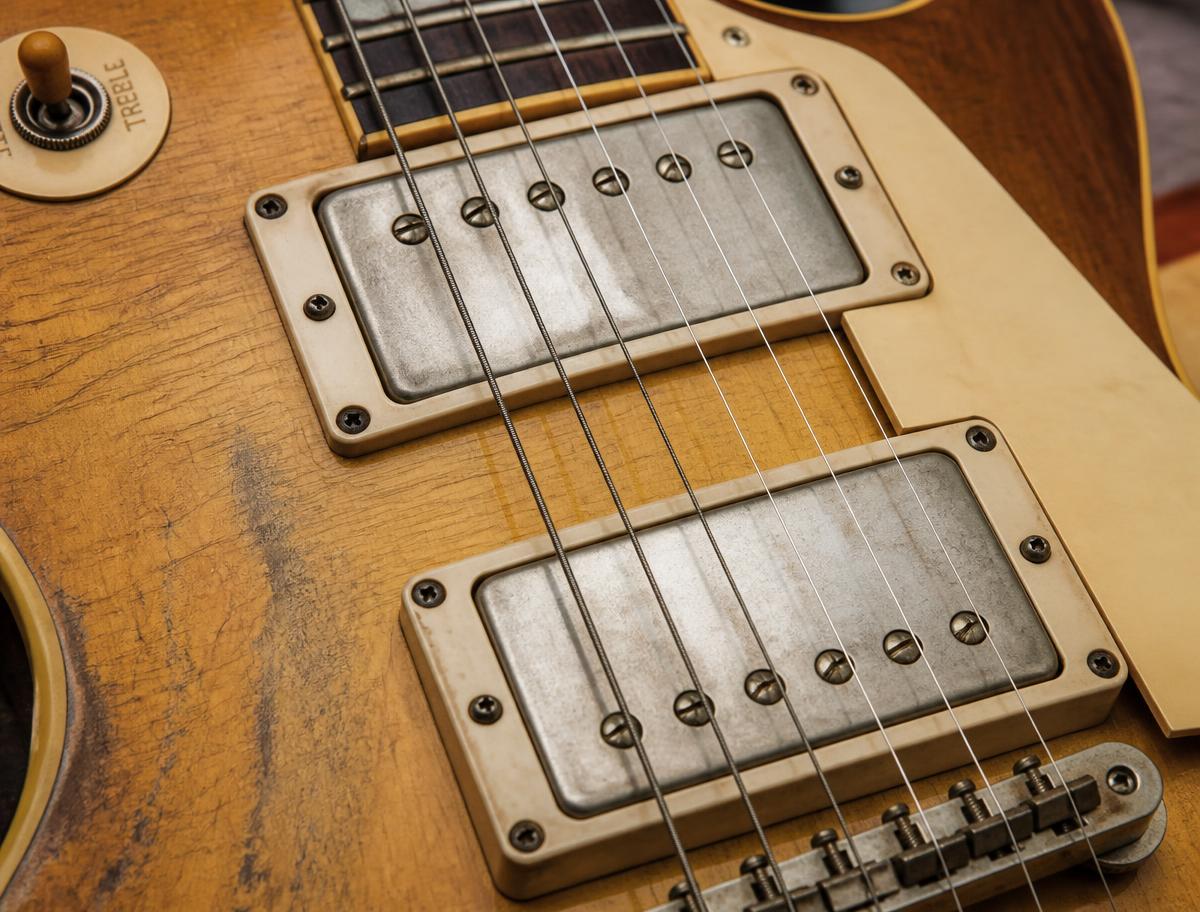
Original PAF pickups photographed before the 1997 repair.
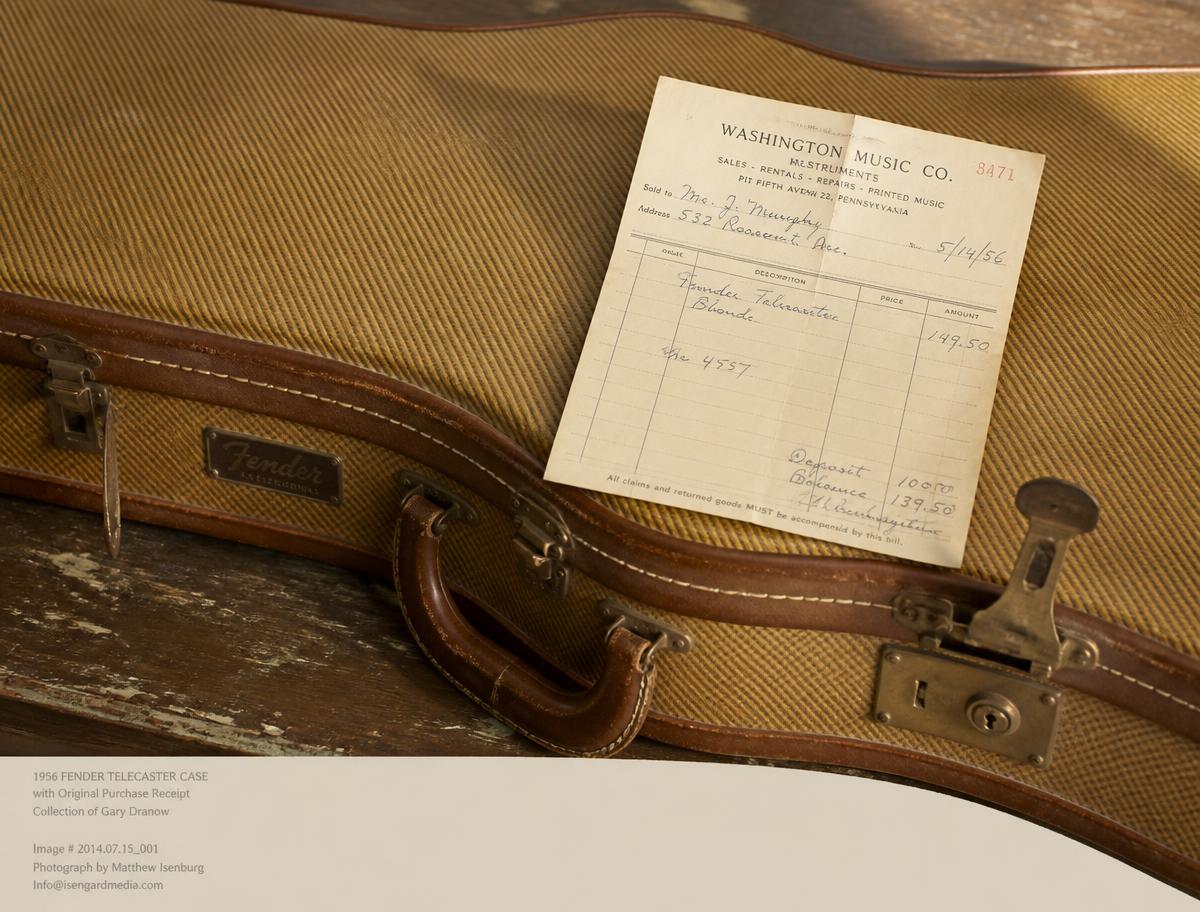
Original case and purchase receipt.
Third-party authentication
Wire & Wood's timeline tracks what you tell us. A third-party authentication record tracks who else has independently verified this instrument — which carries more weight for buyers, insurers, and resale. Wire & Wood doesn't independently verify the authenticator or document itself — but a named third-party record is a stronger trust signal than self-reported notes alone.
How transfers work
When you sell an instrument, transfer its Wire & Wood record to the new owner by entering the buyer's email address. The buyer receives a claim link, and the record moves across intact instead of being erased and recreated.
Transfers are recorded as events, not overwrites.
See how transfers workSeller
↓Wire & Wood record
↓Buyer
Your data
Export your collection to CSV whenever you want. Take your instrument data with you and use it in spreadsheet or other applications.
Your plan determines how many instruments you may actively edit and add records to. If your instrument count exceeds your current plan's limit — including after a downgrade — the oldest instruments up to your plan's limit remain fully editable; instruments beyond that limit remain visible and shareable but become read-only until you upgrade or reduce your active count. Instruments marked sold are always read-only.
Protection
Wire & Wood helps you organize the information you'll need when insuring your collection. We also provide a directory of insurers that offer coverage for musical instruments and collections.
Wire & Wood does not endorse any insurer and does not receive referral fees.
See the insurer directory